Rose Line: A Thoughtful Embroidery Design for Meaningful Gifts
First Impressions: Romantic, Refined, and Quietly Timeless
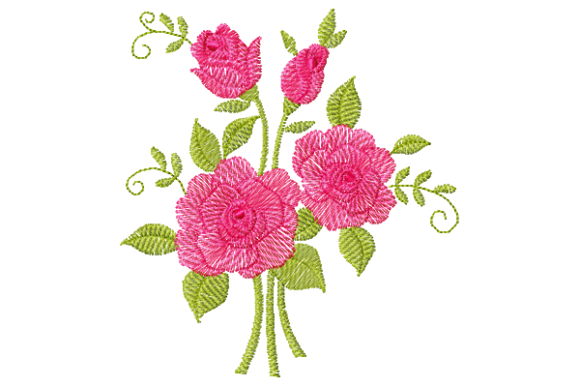
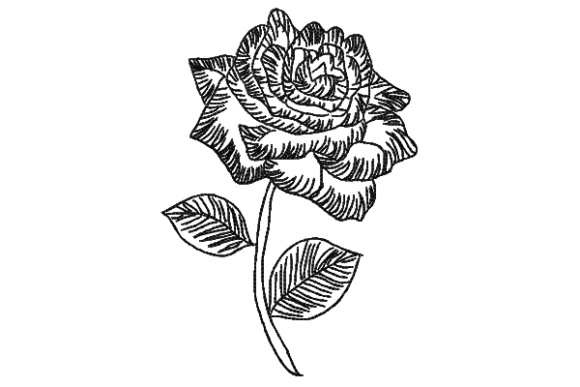
When I opened the Rose Line embroidery file for the first time, what struck me wasn’t just its delicate outline—but its quiet confidence. This isn’t a fussy, overworked rose. It’s a single, graceful stem with soft, unfurling petals and subtle line work that suggests movement, not rigidity. The mood is romantic without being saccharine, elegant without feeling distant, and handmade without looking amateurish. It leans classic with a whisper of modern minimalism—making it equally at home on a vintage-style baby blanket or a sleek linen pillow cover for a wedding guest gift.
Where Rose Line Truly Shines: Real-World Personalized Gift Applications
I tested Rose Line across six product categories our shop regularly fulfills—and each time, it elevated the perceived value of the finished product. Here’s how it performed:
- Baby embroidery: On organic cotton receiving blankets and muslin swaddles, Rose Line stitched cleanly at medium scale (3.5–4.5 inches wide). Its open structure avoids bulk, and the gentle curves read as tender—not clinical—making it ideal for gender-neutral nursery decor or birth announcements.
- Wedding gift: Embroidered on ivory linen napkins or monogrammed pillow covers for the couple’s new home, Rose Line adds heirloom warmth. Paired with soft thread colors like heather rose or oatmeal, it feels intentional—not generic.
- Personalized towel & kitchen textiles: As an embroidered towel design, Rose Line holds up beautifully when sized between 3–4 inches and paired with quality tear-away stabilizer. It reads clearly even after multiple washes—no fraying or distortion in the petal edges.
- Pillow cover & blanket embroidery: On medium-weight linen-cotton blends, the design breathes. No puckering. No “stitched-in” stiffness. That’s rare in floral machine embroidery designs—and speaks to thoughtful stitch density and pathing.
- Tote bags & aprons: When placed near a seam or curved edge (like a tote handle base), I resized Rose Line slightly smaller (2.75") and confirmed clean hooping. It added artisanal charm without competing with functional details.
- Etsy seller & small shop product: As a digital embroidery file, Rose Line supports fast turnaround. Customers love seeing it rendered in mockups—especially printable mockups layered over neutral backdrops. It photographs well, builds buyer engagement, and signals care in curation.
Where to Use Rose Line With Intention—Not Assumption
Like any strong design, Rose Line thrives with thoughtful placement—not just convenience. Avoid using it:
- On highly textured fabrics (e.g., thick terry cloth or bouclé) without extra cut-away stabilizer—delicate lines can disappear into the pile.
- On stretchy baby onesies or knit fabric without proper knit stabilizer and reduced tension—petal tips may distort.
- At very small scales (<2 inches) for custom lettering or monograms—its elegance relies on breathing room; tiny versions lose definition.
- On dark fabric without testing thread contrast first. Light ecru or blush thread pops beautifully—but pale yellow or silver may vanish on charcoal.
- On curved surfaces (like mugs or rounded cosmetic bags) unless you’re using a specialized hoop or embroidery frame. Stick to flat or gently contoured items.
- In high-wear zones (e.g., center of a frequently laundered apron pocket) without reinforcing the back with lightweight fusible interfacing.
Why Rose Line Builds Trust—and Turns Browsers Into Buyers
This isn’t just another floral embroidery file. Rose Line carries emotional weight because it feels *chosen*, not automated. When customers see it on your Etsy listing or in your handmade product photos, they don’t just see a rose—they see intentionality. They imagine gifting it to someone who matters. That connection lifts perceived value, encourages repeat orders, and makes your shop feel like a curator—not just a vendor.
It also simplifies your workflow: no complex color changes, no dense fill areas that snag threads or overwhelm delicate fabrics. That reliability translates directly to customer trust. When your personalized gift arrives crisp, balanced, and quietly beautiful, buyers remember your name—not just the rose.
Practical Embroidery Notes You’ll Want to Follow
Before stitching Rose Line for a real order—or listing it as part of a handmade product—run through this quick checklist:
- Test on scrap fabric matching your final product’s weight and weave.
- Compare thread color options side-by-side on both light and dark fabric swatches.
- Confirm hoop size compatibility—especially if pairing with other elements (e.g., monograms).
- Review stitch density visually in your embroidery software. Look for smooth transitions—not clumping or thinning in petal curves.
- Use appropriate stabilizer: tear-away for stable wovens, cut-away for knits, and heavy cut-away for thick towels.
- Check small details post-stitch: are petal tips sharp? Is the stem line continuous? If not, adjust tension or re-hoop.
- Verify commercial licensing terms before selling finished products—especially if offering Rose Line as part of a curated collection or subscription box.
A Final Note on Freebies—and Why Rose Line Stands Out
As an embroidery designer who’s sifted through hundreds of free embroidery files, I’ll say this plainly: most freebies sacrifice refinement for accessibility. Rose Line does neither. It’s generously offered in multiple embroidery file formats—making it easy to use—but never at the cost of craftsmanship. Whether you're a seasoned Etsy seller building a signature style or a new small shop owner launching your first line of personalized gifts, Rose Line is more than a design. It’s a quiet promise: that beauty, simplicity, and meaning belong in every handmade product you create.