Blue Birds Embroidery Design Review
First Impression: Sweet, Approachable, and Booth-Ready
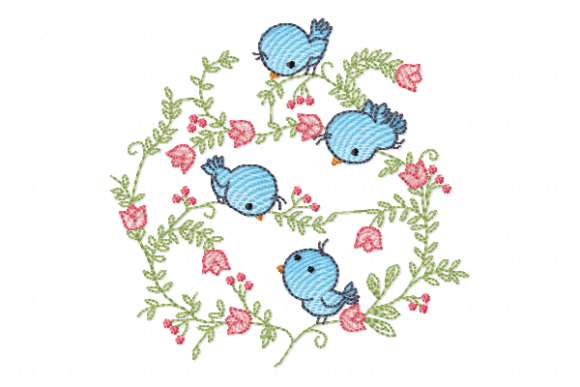
As an embroidery designer who’s prepped over 200 craft fair booths—from Portland pop-ups to Nashville maker markets—I opened Blue Birds expecting charm. And it delivers: this is a soft, cheerful, slightly rustic-cute machine embroidery design—not overly detailed, not cartoonish, not minimalist to the point of coldness. It lands squarely in that sweet spot handmade buyers love: friendly enough for a child’s birthday gift, refined enough for a boutique tea towel, and versatile enough to feel intentional on a linen apron or cotton market bag. It reads as “handmade with care,” not “mass-produced clip art.” That subtle warmth? That’s your first sale signal.
Where Blue Birds Shines On Craft Fair Products
Not every embroidery file sings across all substrates—and Blue Birds proves it. Here’s where it truly elevates your finished product:
- Tote bags & market bags: Centered on the front panel or subtly placed near the side seam, Blue Birds adds personality without overwhelming. Customers pause longer when it’s stitched in sky-blue thread on natural canvas—it feels curated, not cluttered.
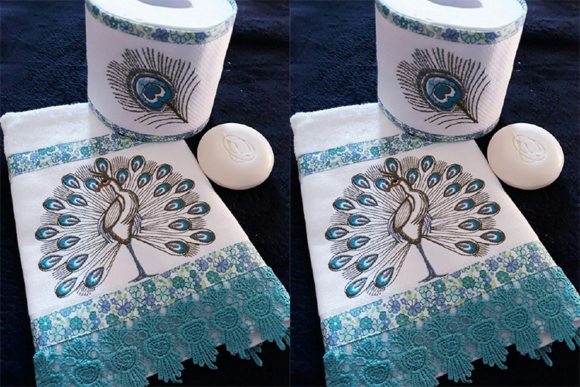
- Tea towel embroidery: This is Blue Birds’ strongest use case. The scale works perfectly at 3.5–4.5 inches tall. Paired with a simple hemstitch or raw-edge finish, it reads as elevated kitchen heirloom—not just another embroidered towel.
- Embroidered patches: Clean lines and open negative space mean Blue Birds presses flat and sews cleanly onto denim jackets, canvas pouches, or backpacks. No fraying edges, no dense fill that puckers.
- Pillow covers & small pouches: At medium scale (3–3.75"), it anchors the surface without competing with texture or pattern. Especially effective on oatmeal linen or washed cotton twill.
- Apron embroidery: Positioned just above the pocket or centered on the bib, it balances utility and whimsy—ideal for bakeries, florists, or coffee shops looking for branded staff wear.
It’s less ideal on curved surfaces like caps (unless resized carefully) or ultra-thick fabrics like heavy-duty canvas tote exteriors—more on that below.
What Makes Blue Birds Sell—Beyond Cuteness
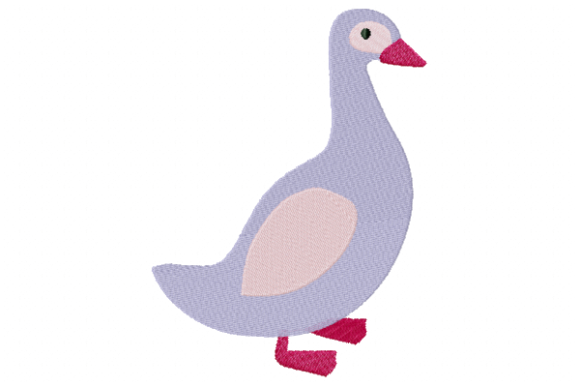
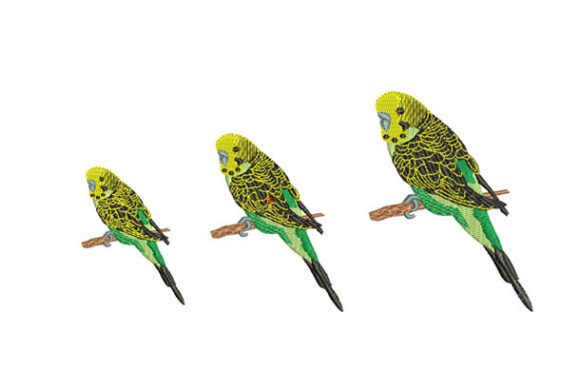
Selling at craft fairs isn’t about prettiest—it’s about clearest value in under three seconds. Blue Birds wins because it’s instantly legible: two stylized birds, gentle curves, balanced spacing, no tiny beaks or feather filigree that vanish at arm’s length. That clarity means faster decision-making at your booth. It also photographs exceptionally well for Etsy listings and printable mockups—no retouching needed. Light backgrounds pop; muted tones keep it grounded. And yes—it’s repeatable. You can stitch 12 matching tea towels in one afternoon without fatigue or inconsistency, making batch production efficient for small shop products.
Careful-Use Notes Every Designer Should Check
Before cutting fabric or loading hoops, test these real-world variables:
- Fabric texture matters: On highly textured towels (like looped terry), reduce stitch density slightly or add lightweight cutaway stabilizer underneath—otherwise bird outlines can blur.
- Dark fabric contrast: If stitching Blue Birds on navy or charcoal, confirm thread colors are saturated enough. Pale blues or greys will disappear. Opt for heathered or tonal thread combos instead of relying on white alone.
- Hoop size & placement: The design likely fits comfortably in a 4x4 hoop—but verify before hooping expensive fabric. Avoid placing it too close to seams or hems where tension shifts mid-stitch.
- Curved surfaces: Caps and curved pouch fronts require re-hooping and possibly digitizing adjustments. Don’t assume it’ll lay flat without testing on scrap.
- Small-scale clarity: Below 2.5", delicate wing details may merge. Stick to 3" minimum for patches or pouch accents unless you’ve verified sharpness on your machine.
How Blue Birds Strengthens Your Brand & Booth Presence
In a sea of bold typography and geometric patterns, Blue Birds stands out by being quietly confident—not loud, but memorable. It supports brand consistency if you’re building a nature-inspired line (think nesting birds, botanical borders, or seasonal eggs). On your table display, pair it with raw wood tags, kraft packaging, and dried lavender sprigs—it leans into farmhouse, cottagecore, and slow-living aesthetics without leaning too hard. Buyers don’t just buy the design; they buy the feeling it evokes: calm, joy, simplicity. That emotional resonance drives engagement—more questions, more photo requests, more Instagram tags.
Pro Designer Checklist Before Production
This isn’t just about stitching—it’s about protecting your time, reputation, and revenue. Run through these before your first hoop goes in:
- Test Blue Birds on scrap fabric matching your final substrate—especially for towels, linens, and structured caps.
- Check thread contrast against *all* planned fabric colors—not just your favorite swatch.
- Review spacing between birds and outer edge—tight margins cause trimming errors in batch runs.
- Confirm hoop size compatibility with your embroidery machine and frame system.
- Inspect stitch density: avoid over-stuffed fills that compromise drape on lightweight cottons.
- Choose stabilizer based on fabric weight—tear-away for stable wovens, cutaway for knits or stretchy blends.
- Create at least one real mockup (not just digital)—lighting, texture, and hand-feel change everything.
- Compare how Blue Birds looks on light vs. dark fabric—adjust thread palette accordingly.
- Verify commercial licensing terms before selling finished products—this is non-negotiable for Etsy sellers and wholesale accounts.
When you get these right, Blue Birds isn’t just another embroidery file. It’s a reliable, emotionally resonant, visually cohesive asset—one that draws eyes, invites touch, and converts curiosity into cash at your next craft fair. Keep it simple, stitch it thoughtfully, and let the birds do the talking.